If you’ve been hearing about OligoCheck or OligoScan, you may be wondering what they are and how they used to work. These are two wellness tests that have recently gained popularity in India, particularly among people who want to understand their body’s imbalances in minerals and nutrients without having to undergo a typical blood test.
Let’s explore everything you need to know about them —
What is OligoCheck?
OligoCheck is a non-invasive test that checks your body’s levels of minerals, vitamins, trace elements, and heavy metals — all in a few minutes. The best part? There are no needles, no blood samples, and no pain.
The OligoCheck device uses spectrophotometry, which basically means it scans the skin with altered light. The reflected light is analysed to provide information about what’s happening inside the body — like whether you’re low on zinc, high on iron, or exposed to the heavy metals mercury.
Clinics that provide you with the OligoCheck will almost always give you a comprehensive report that illustrates your deficiencies, excesses, and potential oxidative stress. You would then follow up by making dietary or supplement changes according to your report.
What is OligoScan?
OligoScan works on a similar principle. It is also a non-invasive scan that examines minerals, trace elements, and heavy metals found in the body with light technology. However, OligoScan focuses more on intracellular bioavailability – essentially looking at if or how well your cells are actually utilizing the nutrients.
Like OligoCheck, OligoScan gives you a report that can help you identify imbalances and take preventive action before problems get serious. Many wellness clinics, nutrition centers, and integrative doctors in India use OligoScan as part of their advanced health assessments.
OligoCheck vs OligoScan
Now comes the big question — OligoCheck vs OligoScan: which one is better?
Both are very similar in concept and purpose. They both:
- Use spectrophotometry (light technology)
- Are non-invasive
- Check for minerals, vitamins, and heavy metals
- Provide quick results
The main difference is in approach and emphasis.
- OligoCheck looks more at the general balance of nutrients and oxidative stress levels.
- OligoScan focuses on how well your body is actually absorbing and using those nutrients.
So, if you want a broader overview, OligoCheck might do the job. But if you want to understand your nutrient utilization in more detail, OligoScan might suit you better.
At the end of the day, both aim to help you identify what your body needs and what it has too much of — in a quick, simple way.
How Does the Test Work?
The procedure is quite simple and should take no more than 15 minutes.
- Step 1 – Data Collection: The technician will collect information from you regarding your age, weight, diet and lifestyle.
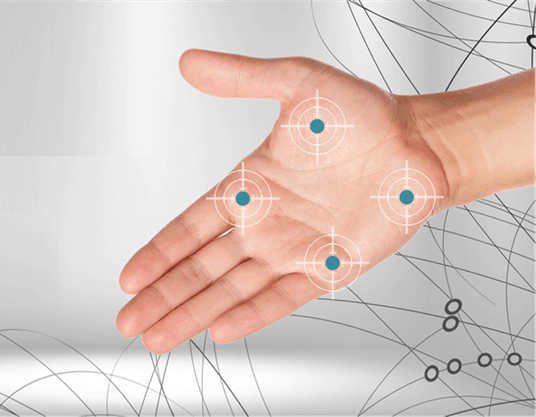
- Step 2 – The Scan: A small hand-held device is placed on your palm or skin which will emit light that will go through the tissue.
- Step 3 – Analysis: The light which bounces back will be analyzed by computer software to calculate levels of minerals, vitamins and metals.
- Step 4 – Report: You will receive a colourful printed report showing your balanced levels, deficiencies or excesses.
- Step 5 – Advice: Some clinics provide diet or supplement suggestions based on your results.
No pain, no waiting for lab results, and no need for blood collection — that’s why many people find it appealing.
Why People in India Are Using OligoCheck and OligoScan
In India, there is an increased consciousness around preventive health and nutritional balance. People don’t want to wait until they’re sick — they want to know what’s occurring within their body in real-time.
That’s where OligoCheck and OligoScan come in. They are fast, modern, and non-invasive ways to assess your nutritional health.
Here are some reasons why they’re gaining popularity:
- They’re quick — results in minutes.
- They’re painless and safe.
- They give insights into your nutrition and toxin levels.
- They help guide better diet and supplement choices.
Clinics across India — especially in major cities — now offer OligoScan India and OligoCheck India tests as part of their wellness or detox programs.
Things to Keep in Mind Before Taking the Test
If you wish to try an OligoCheck or OligoScan test, consider these things. Make sure you go to a reputable clinic that goes through how the scan works.
- Select a trustworthy clinic that will explain the scan process.
- Request the report in its entirety and get clarification of your results.
- Do not take the scan’s outcome only as a reflection – consider it only as a guide, not a final diagnosis.
- If you are taking supplements or going through full detox treatments, inform the provider prior to the scan.
- If you notice something in the report that may appear off or incorrect, please follow up with a doctor or nutritionist.
These suggestions will optimise your scan and allow you to use the information more effectively.
Final Thoughts
OligoCheck and OligoScan are both intriguing devices providing insight into mineral and metal status in the body without discomfort or needles. They can be useful to any individual looking to quickly and comfortably assist in health tracking and prevention.
It is worth noting that there is no clear winner with OligoCheck vs OligoScan — both have similar assessment abilities, though OligoScan accesses a slightly more sophisticated way to understand nutrient metabolism in the body.
If you decide to pursue one of the scans, make sure you go to a reputable wellness location, clarify what the oligocheck test price or oligoscan price includes, and understand the results in perspective and as a guide and not a medically definitive answer.
In the end, these scans are like having a quick mirror for your inner health. It may give you added motivation to eat healthy, manage your stress levels, and find balance in your body. And that is always a benefit!